
Global Microbiome Conservancy
Advancing Microbiome Science Equitably and Ethically
68% of the world population projected to live in urban areas by 2050
United Nations
Many communities will soon adopt some degree of industrialization in their lifestyle and are likely to face rapid incidence of both microbiome perturbations and non-communicable diseases like asthma, allergies, IBD and diabetes.
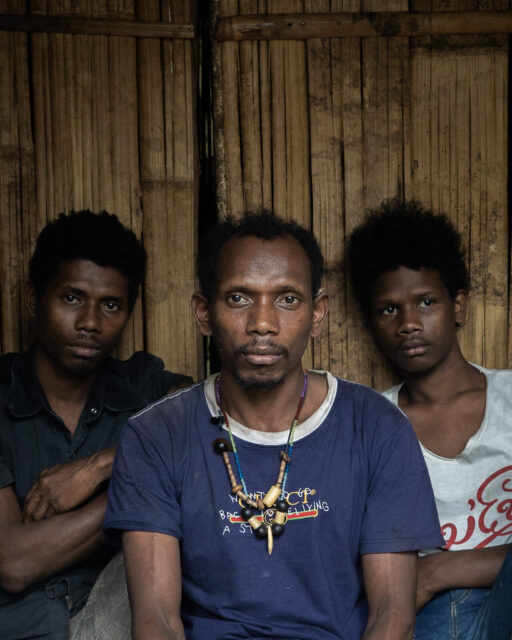
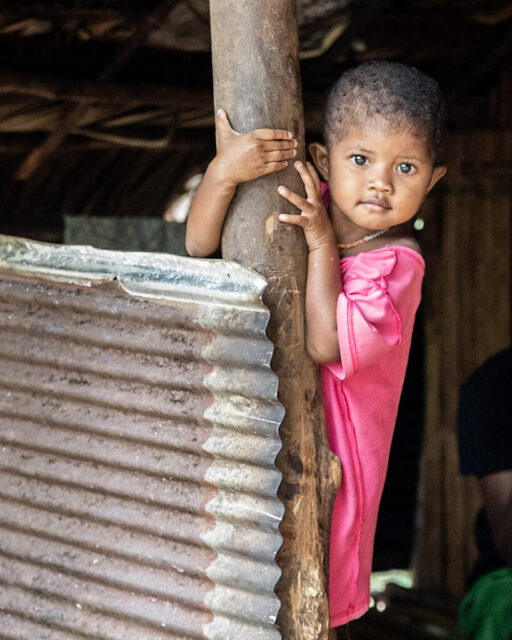

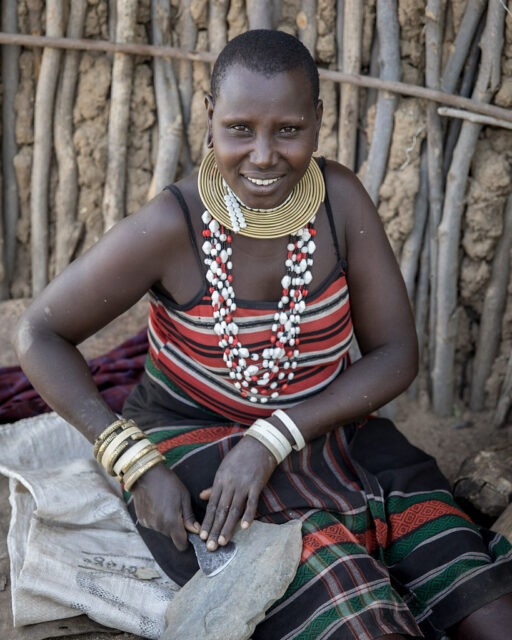
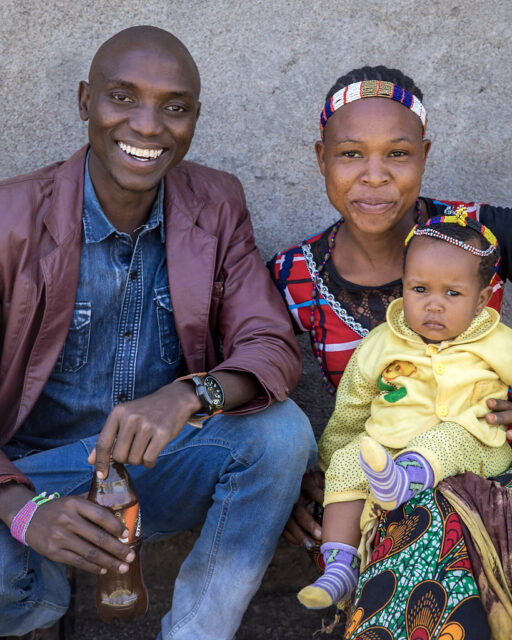
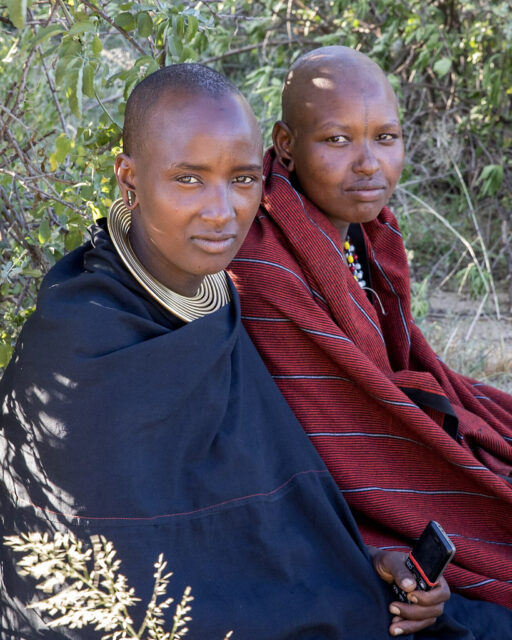
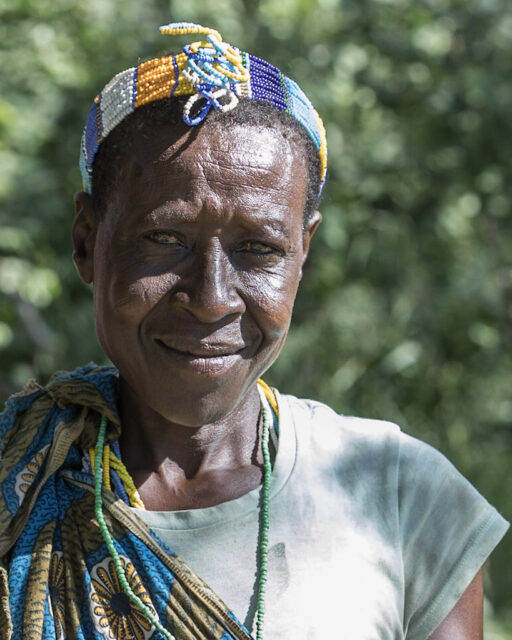
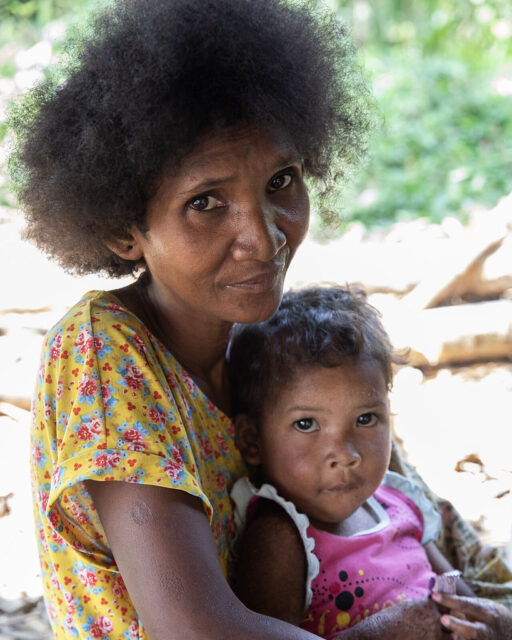
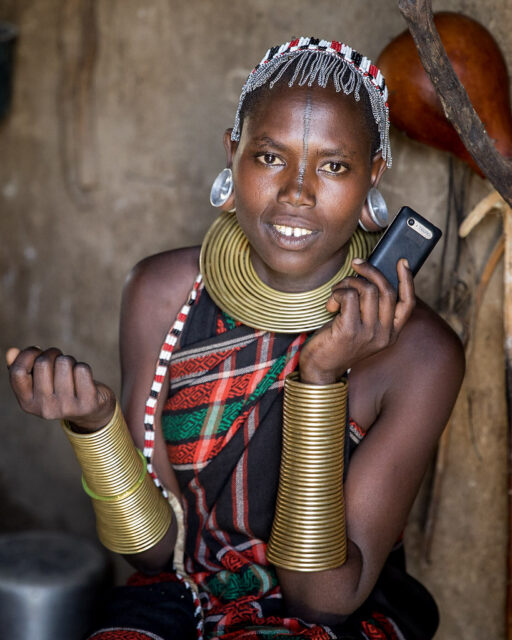
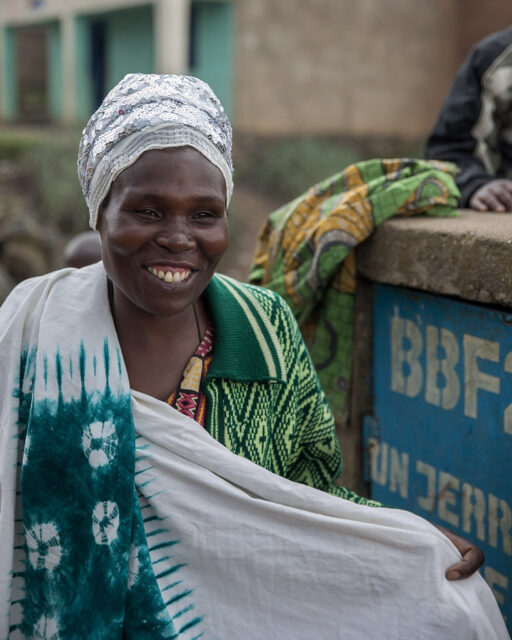
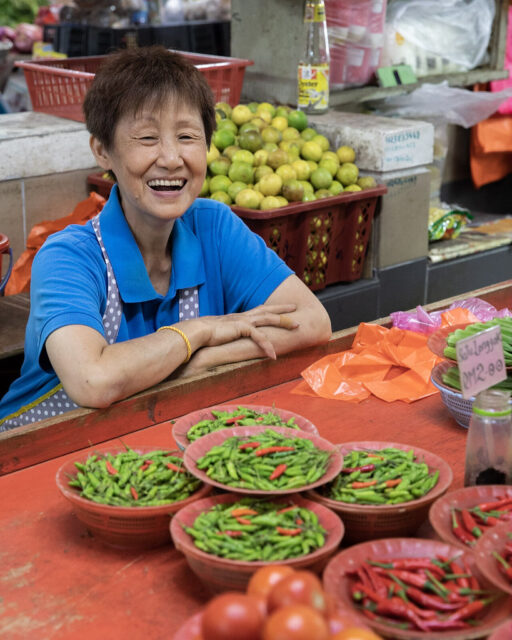

Our work
Our work is centered around four core activities:

Advancing Science
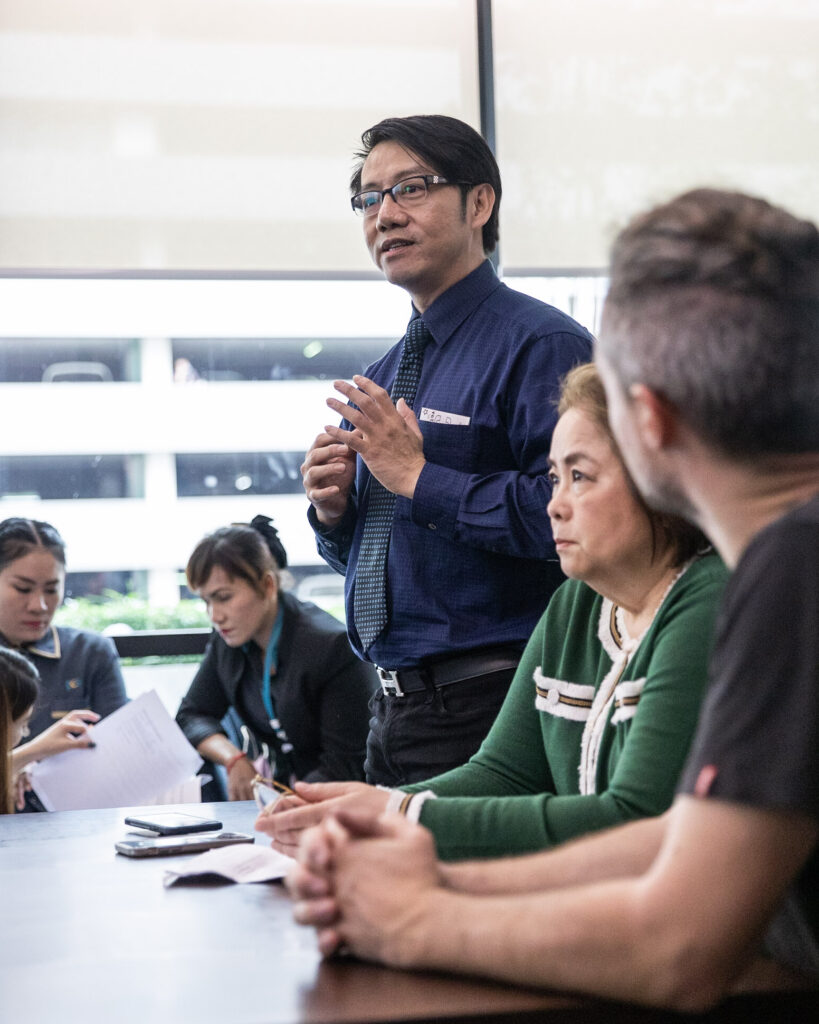
We participate in educational initiatives and generate resources for the research community to advance microbiome science. Leveraging these resources, we address scientific questions related to the human microbiome.

Representation
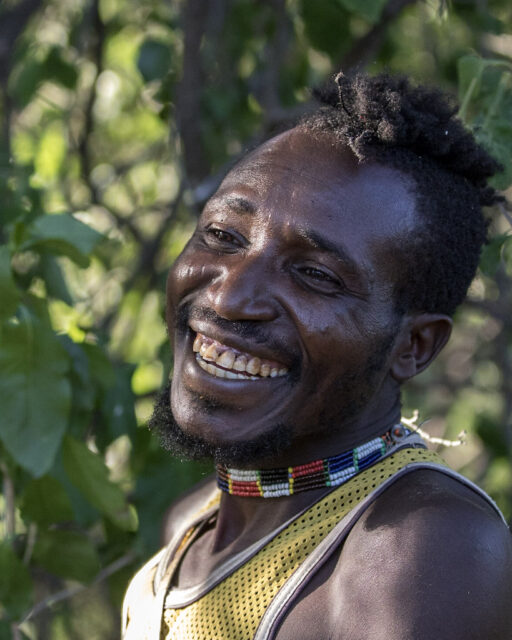
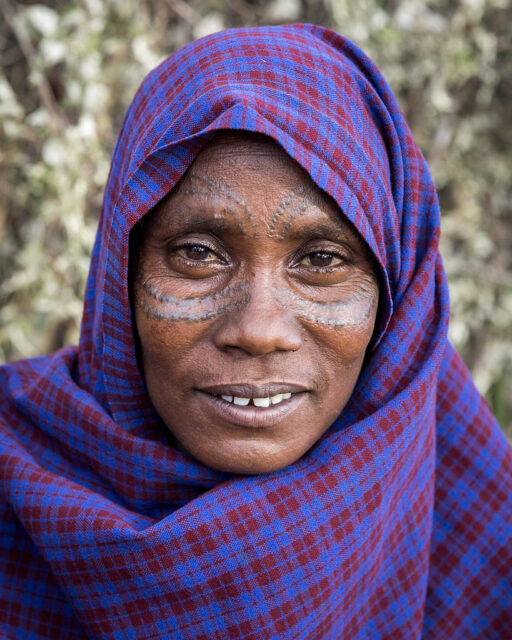
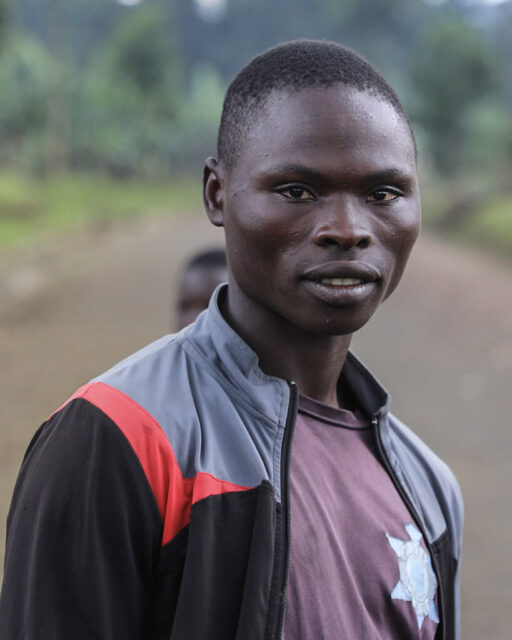
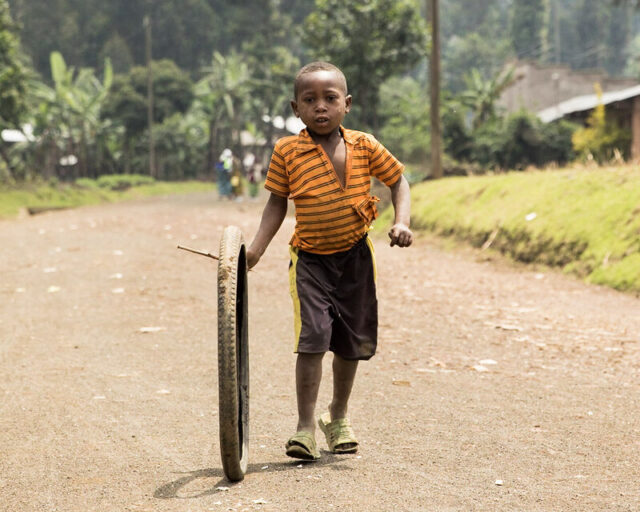
We foster collaborations with human populations worldwide, with a particular emphasis on engaging underrepresented communities. Through these partnerships, we aim to promote inclusivity in the field of microbiome science.


Our objectives
Exploring the Microbiome
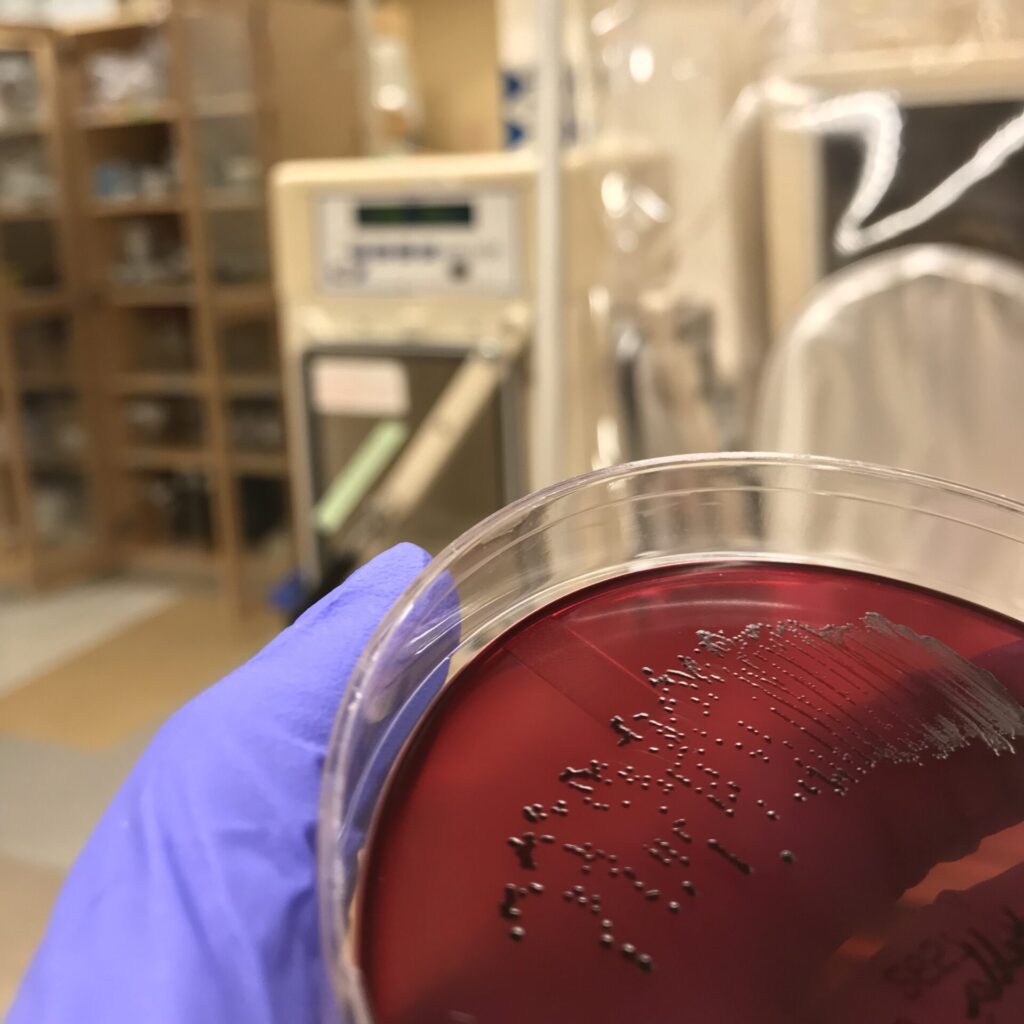
We aim to advance our knowledge of the human microbiome and boost global research capacity. By curating and sharing a highly representative collection of microbiome samples and data, we strive to catalyze research worldwide.
Inclusive Scientific Advancements
Most of our existing knowledge of the microbiome is derived from the study of human populations of European descent. The GMbC seeks to rectify this disparity by enhancing global representation in microbiome sampling. We aim to ensure active participation and access to the benefits of microbiome research for all communities.
Media
Stay up to date on our work towards increased microbiome diversity
-
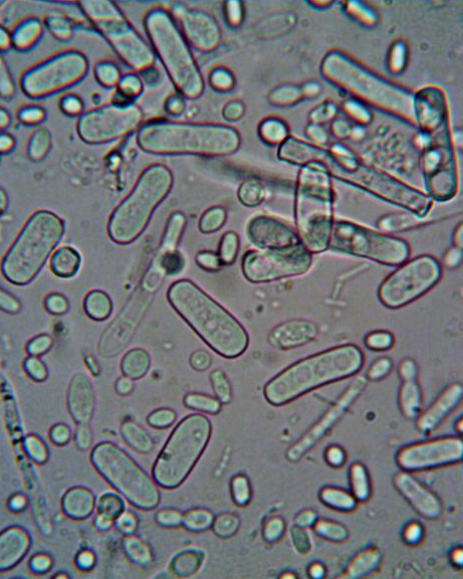
Industrialisation may be reshaping the evolution of our gut bacteria
Gut bacteria living in industrialised societies appear to be evolving differently from those in non-industrialised populations.
External
-
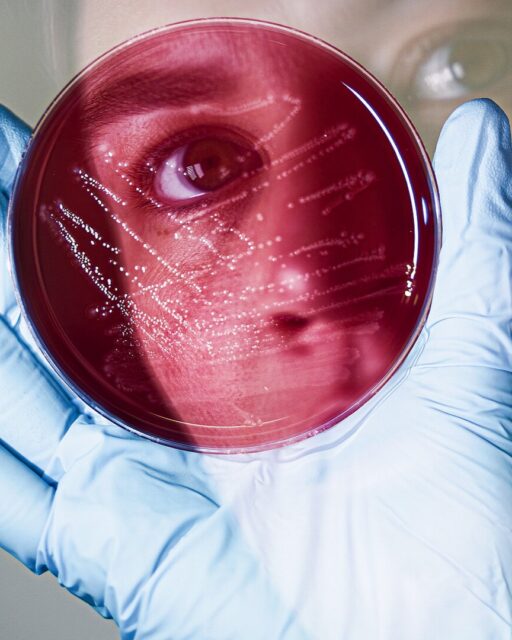
How industrialization changes our gut bacteria
Mathilde Poyet and Mathieu Groussin from Kiel University and UKSH, together with a number of international experts, have published two joint research papers in Cell today on the effects of an industrialized lifestyle on the gut microbiome.
External
-
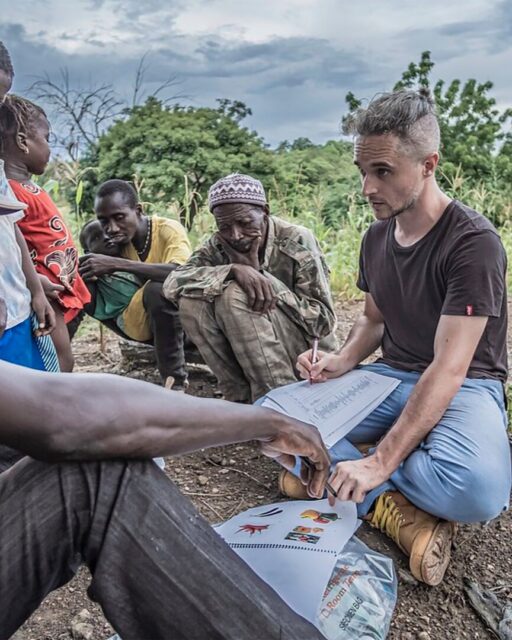
10 years of GMbC: a Kiel-based initiative to preserve global microbiome diversity
Microbiome researchers Mathilde Poyet and Mathieu Groussin from Kiel University have been advancing the Global Microbiome Conservancy project for a decade, which aims to collect, study and conserve the global biodiversity of the gut microbiome.
External
Follow us on our socials